23/01/2026
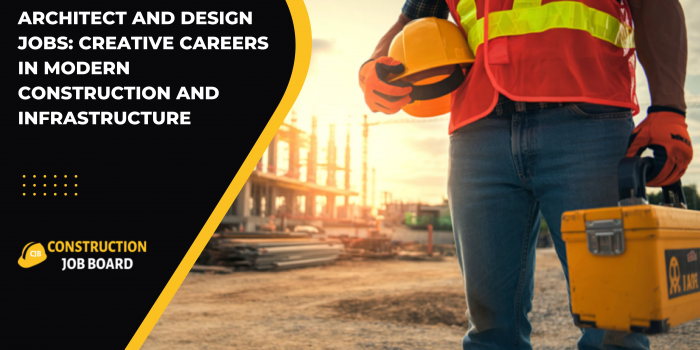
Architect and Design Jobs in Construction: Roles, Scope, and Industry Context
Overview
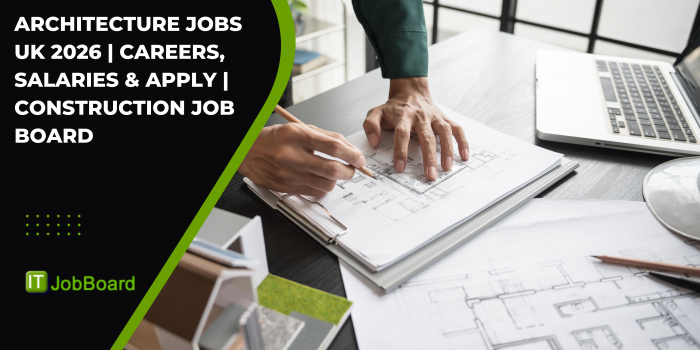
Architect and design jobs in construction focus on the conceptual planning, technical definition, and visual representation of buildings and built environments. These roles exist to translate functional requirements, spatial intent, and regulatory constraints into structured design information that guides construction activity.
Unlike management roles that coordinate delivery, or skilled trades that execute physical work, architect and design roles operate at the design-definition layer of the construction ecosystem. Their primary function is to define what is to be built, how it should be represented, and how design intent is communicated across project stages.
This article provides a neutral, informational overview of architect and design jobs in construction, explaining role categories, functional responsibilities, and industry positioning without offering career advice or recommendations.
What Are Architect and Design Jobs?
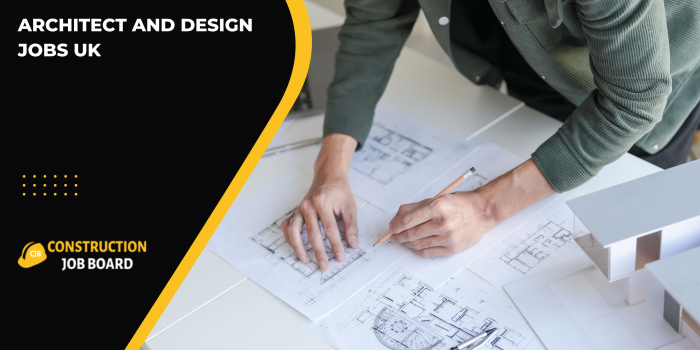
Architect and design jobs are roles responsible for creating, developing, coordinating, and maintaining design documentation used throughout the construction lifecycle. This documentation may include drawings, models, layouts, schedules, and specifications that describe the form, layout, and technical intent of a project.
These roles support construction projects by ensuring that design information is:
- Clear and interpretable
- Coordinated across disciplines
- Aligned with regulatory and planning requirements
- Consistent across project stages
Architect and design jobs typically involve collaboration with engineers, construction managers, consultants, and regulatory bodies, while remaining distinct from execution and site supervision functions.
Role Position Within the Construction Lifecycle
Concept and Feasibility Stage
During early project stages, architect and design roles focus on:
- Initial spatial layouts and massing concepts
- Feasibility assessments and constraint analysis
- High-level design representations
This phase establishes the foundational design intent and spatial direction of a project.
Design Development Stage
As projects progress, design roles contribute to:
- Development of detailed drawings and models
- Coordination between architectural, structural, and services inputs
- Refinement of layouts to meet regulatory and functional requirements
Design information becomes progressively more detailed and structured during this stage.
Construction and Delivery Stage
During construction, architect and design roles may support:
- Clarification of design intent
- Review of design-related queries
- Updates to drawings reflecting approved changes
These activities help maintain continuity between design documentation and construction activity.
Common Categories of Architect and Design Jobs
Architect and design jobs encompass multiple role types, each with a specific focus.
Architect
Architects coordinate overall design intent, balancing functional, spatial, aesthetic, and regulatory considerations across a project.
Architectural Technician
Architectural technicians focus on producing detailed technical drawings and construction-ready documentation that supports on-site execution.
Design Manager
Design managers oversee coordination of design information across disciplines, managing consistency, sequencing, and version control.
Urban or Planning Designer
These roles operate at a broader scale, focusing on site layouts, land use, and integration of buildings within surrounding environments.
Interior Designer
Interior designers concentrate on internal spatial planning, layouts, finishes, and functional arrangements within buildings.
CAD / BIM Technician
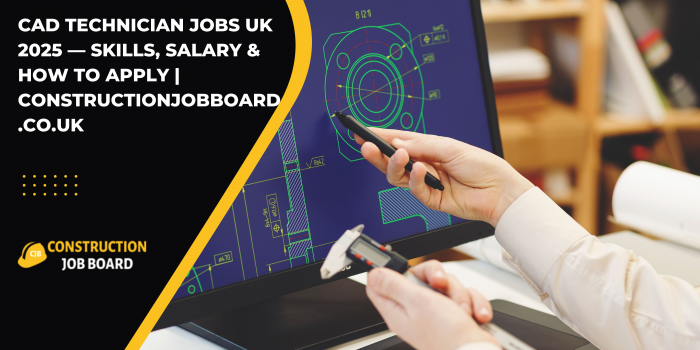
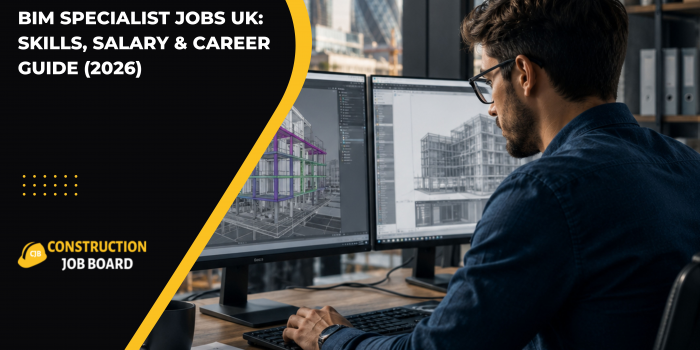
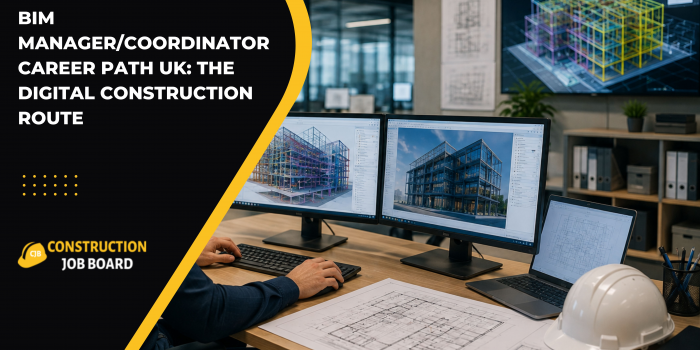
CAD and BIM technicians produce and manage digital drawings and models used for coordination, documentation, and information sharing.
Typical Work Environments
Architect and design jobs are found across a range of organisational settings, including:
- Architectural practices
- Engineering and multidisciplinary consultancies
- Construction companies
- Property development organisations
- Public sector planning and infrastructure bodies
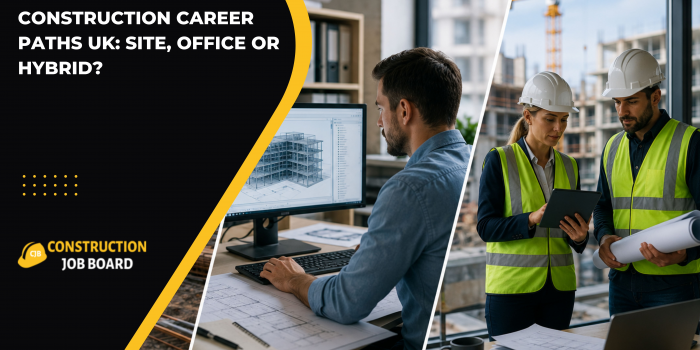
Work may be office-based, hybrid, or project-integrated depending on organisational structure and project requirements.
Core Functional Responsibilities Across Design Roles
Design Documentation
Producing drawings, layouts, models, and specifications that define building form, structure, and spatial arrangement.
Coordination and Integration
Aligning architectural design information with inputs from engineering, planning, and technical disciplines.
Regulatory Awareness
Ensuring design outputs reflect applicable planning guidelines and building regulations without acting as enforcement authorities.
Design Continuity
Maintaining consistency between early design concepts and later-stage technical documentation.
Relationship to Other Construction Roles
Architect and design jobs operate in coordination with, but separately from, other construction roles.
- Engineers define technical systems and calculations
- Managers coordinate delivery schedules and processes
- Trades execute physical construction tasks
- Designers define spatial, visual, and layout intent
Each role contributes to the overall construction process within clearly defined boundaries.
Project Scale and Design Complexity
The scope of architect and design roles often depends on project size and complexity.
- Smaller projects may combine multiple design responsibilities into fewer roles
- Larger projects typically involve specialised design teams and formal coordination structures
As project scale increases, design management and documentation processes tend to become more structured.
Tools and Systems (Neutral Context)
Architect and design roles commonly interact with:
- Digital drawing and modelling systems
- Documentation management platforms
- Design coordination and review workflows
This article does not assess or recommend specific tools or technologies.
Industry Context and Neutral Positioning
Architect and design jobs exist across both private and public sector construction environments and are shaped by:
- Regulatory frameworks
- Contractual arrangements
- Organisational processes
No evaluation of design methodologies, qualifications, or career pathways is provided.
Scope and Neutrality Statement
This content is purely informational. It:
- Describes architect and design role categories
- Avoids career or qualification advice
- Does not recommend employers, tools, or services
- Does not rank or compare roles
Its purpose is descriptive clarity only.
FAQs
What are architect and design jobs in construction?
Architect and design jobs focus on creating and coordinating design information such as drawings, layouts, and models used to guide construction projects.
Do architect and design roles involve site work?
These roles are primarily design-focused, though some interaction with construction sites may occur for coordination or clarification purposes.
Are architects and designers involved throughout a project?
Yes. Architect and design roles may contribute during concept, design development, and construction stages.
Do design roles include construction management responsibilities?
No. Design roles define and coordinate design information but do not manage construction delivery or site operations.
Do architect and design jobs differ by project size?
Yes. Smaller projects may combine responsibilities, while larger projects typically involve specialised design roles.